
hanging mirror with lights
Understanding Knife Gate Valves A Look at Manufacturers and Their Importance Knife gate valves play a crucial role in a variety of industrial applications, particularly in the management of slurries, powders, and other viscous materials. As a type of valve that allows for the efficient control of flow, knife gate valves are engineered to provide reliable performance under challenging conditions. This article will explore the significance of these valves, the role of manufacturers, and factors to consider when selecting a knife gate valve for your needs. What are Knife Gate Valves? Knife gate valves are designed specifically for on-off services and are ideal for isolating services in pipelines carrying slurries, liquids, or dry materials. The design features a sharp-edged gate that slices through the media, ensuring a clean shut-off. This makes them particularly effective in applications where clogging is a concern. The simplicity of the design allows for easy maintenance and operation, making them a popular choice in various industries, including water treatment, mining, pulp and paper, and chemical processing. The Importance of Manufacturers The importance of knife gate valve manufacturers cannot be overstated. They are responsible for designing and producing these critical components that ensure the smooth operation of industrial processes. Leading manufacturers invest in advanced technology and engineering practices to produce high-quality valves that meet the stringent requirements of different sectors. 1. Quality and Standards Reputable manufacturers adhere to international standards such as ISO and ASTM. They conduct rigorous testing to ensure that each valve meets specified performance criteria, thus ensuring safety and reliability in operations. 2. Customization Different industries have unique needs, and manufacturers often provide customization options. This could include variations in materials, sizes, and designs tailored to the specific application. For instance, valves used in corrosive environments require specialty coatings or materials to enhance durability. 3. Innovation The field of valve technology is constantly evolving. Manufacturers are increasingly focusing on innovations that enhance performance, such as advanced sealing technologies, actuation options, and remote operation capabilities . This innovation ensures that industries can meet their operational goals while minimizing downtime and maintenance costs. knife gate valve manufacturers Selecting the Right Knife Gate Valve When selecting a knife gate valve, several factors must be considered to ensure optimal performance 1. Material of Construction The material selected must be compatible with the media being handled. Common materials include stainless steel, cast iron, and specialized alloys for corrosive environments. This selection is vital as it directly impacts the valve's lifespan and effectiveness. 2. Design Configuration Knife gate valves come in various designs, including rising and non-rising stem configurations. Understanding the application demands will guide you in selecting the right design. For instance, non-rising stems are typically used in installations with space limitations. 3. Diameter and Flow Characteristics The diameter of the valve should match the pipeline size to maintain consistent flow characteristics. It’s also essential to consider the flow rate and pressure requirements to ensure the valve performs effectively under operational conditions. 4. Actuation Methods Knife gate valves can be operated manually or automatically. For automation, consider whether you need pneumatic, electric, or hydraulic actuators based on the operational environment and ease of use. 5. Maintenance and Support It’s beneficial to choose manufacturers who provide robust customer support and maintenance services. This assistance can be crucial in ensuring your valves operate efficiently throughout their lifecycle. Conclusion Knife gate valves are integral components in many industrial systems, offering reliable solutions for flow control. Manufacturers play a significant role in ensuring that these valves are designed and produced to meet high standards of quality and performance. Whether you are in the market for a knife gate valve for a new installation or seeking replacement parts, understanding the role of manufacturers and the selection factors will help you make informed decisions. With the right knife gate valve, you can enhance productivity, reduce downtime, and ensure the smooth operation of your industrial processes.
about
hanging mirror with lights
Replacing Water Cut-off Valves A Comprehensive Guide Water cut-off valves are essential components in any plumbing system. They are designed to stop the flow of water in pipes, allowing for maintenance and repairs without the need to drain the entire system. Over time, these valves can wear out or malfunction, leading to leaks or water supply issues. Replacing a worn or faulty cut-off valve is crucial for maintaining the integrity of your plumbing system. This article will guide you through understanding the importance of water cut-off valves, recognizing signs that they need replacement, and providing a step-by-step process for the replacement. Importance of Water Cut-off Valves Water cut-off valves serve several critical functions in a building's plumbing system. Primarily, they facilitate maintenance by allowing you to isolate sections of the plumbing without shutting off the main water supply. This is particularly important in larger properties where shutting off water can affect multiple fixtures. Additionally, they help in preventing water damage during emergencies or unexpected leaks. By allowing swift action, such as shutting off the water supply to a damaged pipe, cut-off valves play a crucial role in protecting your home from extensive damage and costly repairs. Signs You Need to Replace Your Water Cut-off Valve Identifying when a water cut-off valve needs to be replaced is essential. Here are some common signs to look for 1. Leaking Water If you notice water pooling around the valve or dripping from the valve itself, it is often a sign of wear and can indicate that the valve needs replacing. 2. Difficult to Operate If turning the valve is challenging or it doesn’t close completely, it might be damaged internally and could require replacement. 3. Corrosion or Rust Inspect the valve for signs of corrosion or rust. These can weaken the valve and lead to failure. 4. Unusual Noise Any hissing or whistling sounds coming from the valve or pipe can indicate pressure or flow issues, which may suggest that the valve is failing. 5. Old Age If your valve is significantly outdated, it may be wise to replace it outright, even if there are no immediate signs of failure. Steps to Replace a Water Cut-off Valve Replacing a water cut-off valve may seem daunting at first, but with the right tools and a little know-how, you can tackle this project yourself. Here’s a step-by-step guide replacing water cut off valves Tools and Materials Needed - Adjustable wrench - Pipe wrench - Screwdriver - Replacement valve (ensure it’s compatible with your plumbing) - Teflon tape - Bucket or towels (to catch any leaking water) Instructions 1. Turn off the Main Water Supply Before starting, ensure that the main water supply to your home is completely turned off. 2. Drain the Pipes Open faucets near the valve to drain any remaining water from the pipes. 3. Remove the Old Valve Using the adjustable wrench, loosen the nuts connecting the old valve to the pipes. Carefully remove the valve. Be prepared for some residual water to leak out into the bucket or towels. 4. Clean the Pipe Ends Once the old valve is removed, clean the ends of the pipes to remove any debris or old plumbing tape. 5. Install the New Valve Wrap Teflon tape around the threads of the new valve to ensure a watertight seal. Position the new valve onto the pipes and tighten it using the pipe wrench. Be careful not to overtighten, as this could damage the pipes. 6. Check for Leaks Turn on the main water supply and check for any leaks around the newly installed valve. If leaks are present, tighten the connections slightly, but avoid overtightening. 7. Test the Valve Finally, turn the valve on and off a few times to ensure it operates correctly and that there are no leaks. Conclusion Replacing a water cut-off valve is an important home maintenance task that can help prevent water damage and ensure your plumbing operates efficiently. By recognizing the signs of a failing valve and following the step-by-step replacement process, homeowners can take control of their plumbing systems and enjoy peace of mind. Remember, when in doubt, consulting with a professional plumber is always a wise choice. Investing time and effort into maintaining your plumbing can save you significant costs in the long run.
-

High quality industrial productsagement

High quality industrial products
View Details -

Meet the diverse needs of customers

Meet the diverse needs of customers
View Details -

Strict quality control

Strict quality control
View Details -

Top raw materials

Top raw materials
View Details -

Trusted supplier

Trusted supplier
View Details
Our application



news and information

Versatile Welding Table Clamps for Efficient Work and Strong Joints in Metal Projects
Enhancing Your Welding Experience with 5% 208% Welding Table Clamps Welding is a precise art that re
Versatile 3x6 Fabrication Table Designed for Welding Projects and Metalworking Applications
The Versatility and Importance of a 3x6 Welding Table Welding is a critical skill in various industr
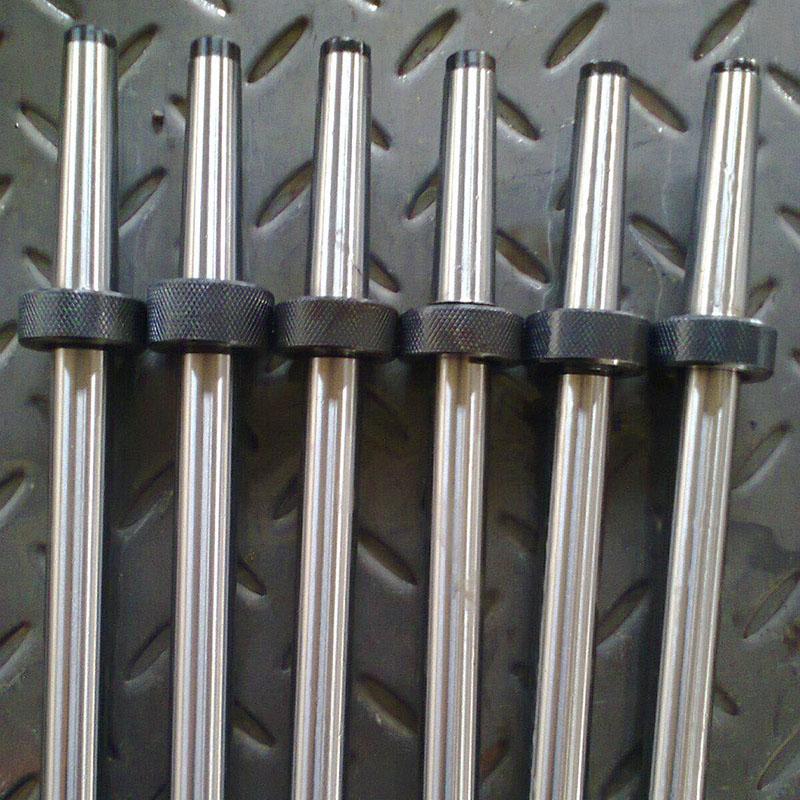
Wskaźnik pierścienia gwintu standardowy
Standardy narzędzi do pomiaru gwintów – Gniazdo gwintowe Standardy narzędzi do pomiaru gwintów – Gni
 English